
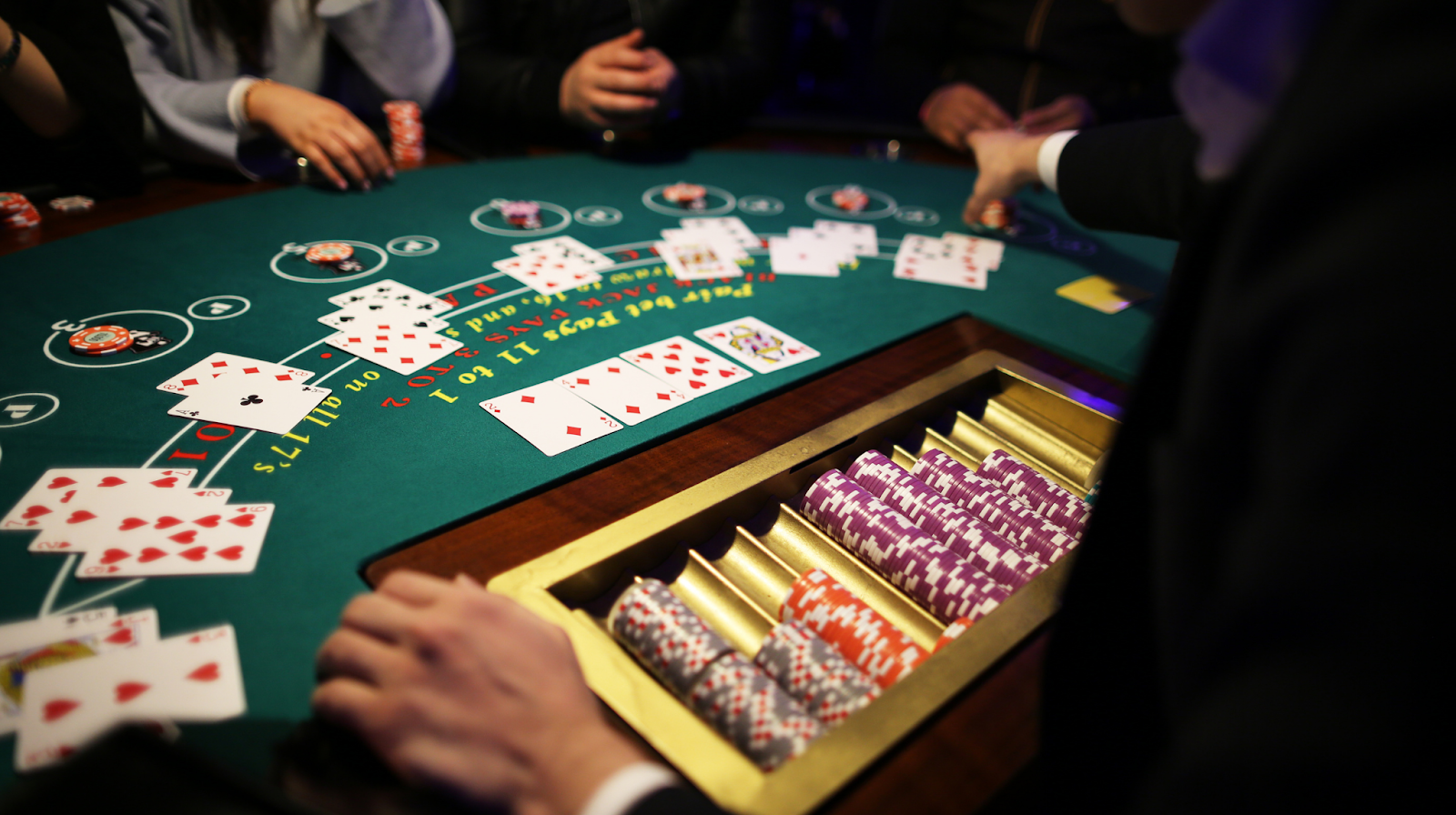
Building Functional Poker Tables with Recycled Materials
Making a poker table out of cast-off stuff sounds scrappy, in a good way. It’s creative, a little stubborn, and, if we’re being honest, kind of satisfying. Instead of buying everything new, you scout for pieces with a past: an old door here, wobbly legs from a thrift-store desk there.
People who’ve tried it say the cost can drop a lot, sometimes close to half, give or take, though, well, results vary with what you find and how patient you are.
The Basics of Using Recycled Materials
Start with what you’ve got or can get cheap. Pallet boards, panels from a busted dresser, a table base rescued from the curb, these can become the bones of the build. It’s not just eco-friendly; it gives the table that lived-in character you can’t fake.
Reinforcing an old base or mixing leg styles might look odd on paper, but once it’s painted or wrapped, it tends to make sense. In addition, finding innovative solutions for online slots could complement designing a poker table in terms of creatively working with limitations to achieve exciting results.
One note before you start cutting: measure twice, then, actually, maybe measure a third time. Reclaimed materials have quirks, and they don’t always square up the way you hope. That’s part of the charm, or the headache, depending on the day.
Crafting the Playing Surface
The tabletop carries the whole experience. For eight to ten players, many folks aim for something around 92″ x 44″, but it’s not sacred. If your space is tight, shave it down; if you’ve got a long room, stretch it a bit. Reclaimed doors or wide planks make a solid core once sanded flat.
Some builders swear by filling crevices with a dust-and-epoxy combo to cut down on resin use, seems to help, though it’s messy and you’ll want good ventilation.
Padding and fabric change everything. Foam from an old mattress (clean, obviously) works surprisingly well as underlayment. As for the cover, marine vinyl is tough and forgiving, while repurposed pool table felt, if you can find it, plays fast and looks sharp.
Thrift stores and upholstery outlets sometimes have offcuts that feel like a small miracle when they fit your color scheme.
Constructing Edge and Rail Sections
Here’s where a plain plank becomes a poker table. Build a rail by laminating strips of pallet wood or other leftovers, then soften the edges so they won’t bite into forearms. A layer of recycled foam on top, wrapped tight in vinyl or faux suede, makes it feel finished.
If you’re tempted to add flair, tokens, old chips, even bottle caps, bury them under a clear epoxy ring. It’s a little showy, but honestly, it can look great.
Cupholders? You don’t need to buy fancy ones. Big PVC end caps, metal snack tray inserts, even the top sections of thick aluminum cans (deburred!) can do the trick. For small spaces, reusing foldable table legs or hinge hardware helps the whole setup tuck away without drama.
Final Touches and Assembly
This is the slow, almost meditative part. Sand until your hands are bored, then sand a bit more. A water-based, low-VOC varnish keeps splinters at bay and won’t gas out your living room. Basic tools, saw, drill, stapler, carry most of the load.
If you go with epoxy on the playing surface, pour thin, chase bubbles with a heat gun or a hair dryer, and don’t rush the cure. You’ll thank yourself later.
In the end, well, there isn’t really an “end.” You’ll tweak the rail, swap the fabric someday, maybe add LEDs you said you didn’t want. But that’s kind of the point. You built something that works, looks good enough to brag about gently, and didn’t demand a pile of new lumber.
It’s poker, sure, but it’s also a quiet nod to using what already exists, which might be the best bet on the table.